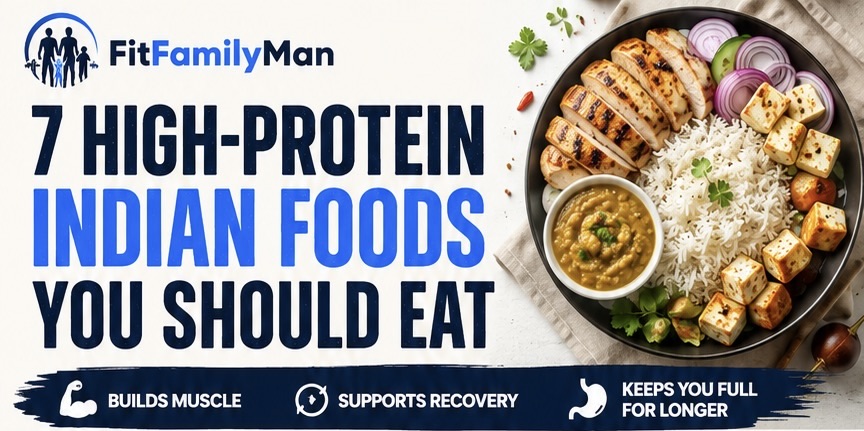
7 High-Protein Indian Foods You Should Eat
Looking for simple ways to increase your daily protein intake?
Protein is one of the most important nutrients for a healthy and active lifestyle. It supports muscle growth, recovery, and helps you stay full for longer. Whether you’re trying to build muscle, lose fat, or simply improve your overall diet, adding enough protein to your meals can make a big difference. The good news? You don’t need complicated diets or expensive foods.
Here are 7 high-protein foods that can easily fit into an Indian diet.
1. Eggs – Around 6g of Protein Each 🥚
Eggs are one of the most convenient and affordable sources of high-quality protein.
A single egg contains approximately 6 grams of protein, making them an easy addition to breakfast, lunch, or dinner.
They’re also incredibly versatile.
Simple meal ideas:
- Boiled eggs
- Omelette
- Egg bhurji
- Egg sandwiches
- Add them to salads
Eggs are a convenient option when you need a quick, nutritious meal without spending hours in the kitchen.
2. Chicken Breast — Around 30g of Protein per 100g 🍗
Chicken breast is one of the most popular lean protein sources for people focused on fitness and muscle building.
Around 100 grams of chicken breast can provide approximately 30 grams of protein.
It’s relatively low in fat and works perfectly for meal preparation.
Easy ways to eat it:
- Grilled chicken
- Chicken curry with less oil
- Chicken stir-fry
- Baked chicken
- Chicken with rice and vegetables
Prepare a larger batch in advance, and you’ll have an easy protein source ready for multiple meals.
3. Paneer – Around 18g of Protein per 100g 🧀
Paneer is an excellent vegetarian protein source and a staple in many Indian households.
Around 100 grams of paneer can provide approximately 18 grams of protein, although the exact amount can vary depending on the product.
You can enjoy paneer in:
- Paneer bhurji
- Paneer curry
- Grilled paneer
- Salads and wraps
If you’re watching your calorie or fat intake, consider choosing a lower-fat paneer option when available.
4. Soya Chunks – A Very High-Protein Vegetarian Option 🌱
Soya chunks are one of the highest-protein foods commonly available in Indian kitchens.
They’re affordable, easy to store, and can be used in a variety of meals.
Try adding them to:
- Curries
- Pulao
- Stir-fries
- Soya chunk masala
Like most foods, variety is important. Enjoy soya chunks as part of a balanced diet and rotate your protein sources rather than relying on just one food every day.
5. Dal (Lentils) – Around 8–10g of Protein per Cup 🥣
Dal is already a regular part of many Indian meals—and that’s great news.
A cooked cup can provide roughly 8–10 grams of protein, depending on the type of dal and preparation.
Dal also provides fiber and other important nutrients, making it a nutritious staple food.
One of the simplest combinations?
Dal + rice or dal + roti.
It’s affordable, filling, and easy to include in your everyday meals.
6. Greek Yogurt – Around 10g of Protein per 100g 🥛
Greek yogurt can be a convenient high-protein option for breakfast or snacks.
It typically contains around 10 grams of protein per 100 grams, although this can vary by brand.
Try it:
- With fruit
- With nuts and seeds
- As a breakfast bowl
- As a quick afternoon snack
Choose an option that fits your dietary preferences and check the nutrition label, especially if you’re comparing different brands.
7. Whey Protein – Around 20–25g of Protein per Scoop 💪
Whey protein is one of the most convenient ways to increase your daily protein intake.
A typical scoop provides around 20–25 grams of protein, depending on the product.
But remember—whey protein isn’t magic.
It’s simply a convenient tool that can help you reach your daily protein target, especially on busy days when preparing another high-protein meal isn’t practical.
Think of it as a supplement to your diet—not a replacement for nutritious whole foods.
The Bottom Line
Getting enough protein doesn’t have to be complicated.
Eggs, chicken, paneer, soya chunks, dal, Greek yogurt, and whey protein can all help you build a more protein-rich diet.
Remember: balance matters more than perfection, and consistency matters more than occasional extreme efforts.
Focus on eating a variety of nutritious foods, getting enough protein for your goals, and building habits you can maintain over time.
Which of these foods do you eat most often? Let me know in the comments! 💪